Category: Updates
Indigenous
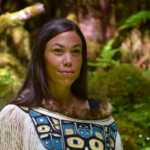
ASC Member Profile: Carrie Anne Vanderhoop
Carrie Anne Vanderhoop’s professional path has largely focused on curriculum and program development in Indigenous education, reconciliation, cultural safety, and systems change. Also a valued member of the Aboriginal Steering Committee at HELP, she is about to release her very first children’s book — inspired by the beauty and joy of her childhood experiences in the traditional territory of her Wampanoag ancestors.
Indigenous
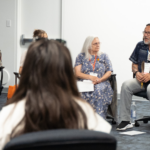
Holding Space for Ceremony in Conference Culture: Bringing the Roots Circle to the Partnering in Researching Conference
Sophie Carriere, Research Coordinator at HELP, provides a reflection from the Partnering in Research Conference at UBC, bringing ceremony into the space as a part of the Roots initiative: building relationships between researchers and Indigenous communities.

News
Stronger Connections, Stronger Kids: New Research Highlights the Protective Power of Belonging in Schools
A new HELP study suggests that investing in relationships at school could be one of the most effective strategies for improving mental well-being for students in the middle years.
Faculty
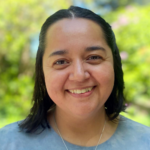
Welcoming Dr. Johanna Sam to HELP as Faculty Member
Dr. Sam’s research is grounded in Indigenous knowledges and community-led methodologies, with a focus on advancing holistic wellness among diverse children and adolescents.
News
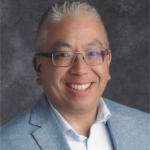
Q&A With an MDI Champion: Craig Mah
With a strong focus on student well-being and data-informed decision making, Craig Mah (District Principal from SD43) shares how MDI data has shaped district planning, supported school-level initiatives, and fostered deeper connections between students and caring adults. His insights offer a valuable look into the practical applications of MDI and the long-term impact it can have on school communities.
News
Scholar Profile: Randip Gill
Randip Gill’s research aims to uncover strategies that support healthier outcomes for vulnerable populations. In his new role as Research Associate Methodologist at HELP, Gill continues to pave the way for meaningful research and impactful change in the lives of children and families in BC and beyond.
News
MDI: New 2024-2025 Reports and Resources Available!
In addition to MDI School District Reports for the 2024-25 school year, HELP is releasing new resources for educators. The MDI Lesson Series helps integrate the survey into classroom curriculums in meaningful and relevant ways.
Data in Action
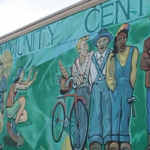
Data in Action: The Importance of Listening, Relationships, and Process in Community-Research Partnerships
From its grassroots community action origins in the 1970’s, RayCam Co-operative Centre has long been a cornerstone for local residents, children, families and seniors in Vancouver’s Downtown Eastside (DTES) and Strathcona neighbourhoods.

News
Spring Funding Announcements from HELP Faculty Members
We are pleased to announce the latest spring funding awards received by esteemed faculty members at HELP, including an SSHRC Partnership Development Grant.
Faculty
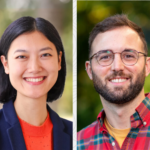
Welcoming New Faculty Members: Dr. Angie Ip and Dr. Trevor Goodyear
The Human Early Learning Partnership (HELP) is thrilled to announce the addition of two esteemed faculty members, Dr. Angie Ip and Dr. Trevor Goodyear. Both bring a wealth of experience and a shared commitment to equity and interdisciplinary research, enhancing HELP’s mission to support the health and well-being of children through interdisciplinary research and mobilizing knowledge.